

Best Businesses to Start in Kenya in 2027 With KSh 10K–100K
Discover the best businesses to start in Kenya in 2027 with KSh 10,000, KSh 50,000 or KSh 100,000, with startup budgets and practical tips.
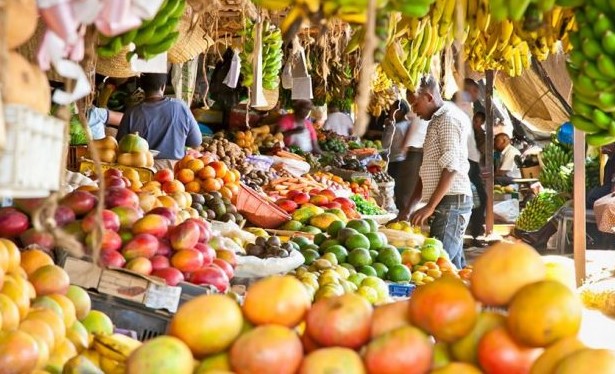
Starting a business in Kenya does not always require hundreds of thousands of shillings. With careful planning, a suitable business idea and a clear understanding of customer demand, aspiring entrepreneurs can start small and expand as their income grows.
For Kenyans looking for the best businesses to start in 2027, the amount of capital available can help determine the type of business to pursue. Some ventures require little more than a smartphone, internet access and marketable skills, while others need stock, equipment, transport or a physical location.
This guide explores business ideas that can be started with KSh 10,000, KSh 50,000 and KSh 100,000, including their potential customers, estimated startup costs and practical considerations.
The figures are illustrative planning estimates, not guaranteed prices or income projections. Actual costs will depend on location, supplier prices, equipment choices and the scale of operations.
Best Businesses to Start in Kenya With KSh 10,000
A budget of KSh 10,000 is best suited to businesses with low overheads, limited inventory or services that rely mainly on personal skills.
1. Social Media Management
Small businesses, salons, restaurants, boutiques, real estate agencies and local professionals often need help managing their online presence.
An entrepreneur with a smartphone, internet access and basic content creation skills can offer services such as writing social media captions, preparing promotional posters, scheduling posts and responding to customer enquiries.
Estimated startup budget: KSh 3,000–10,000
The money can cover internet access, transport to meet prospective clients, basic design tools and marketing materials. Entrepreneurs who already own a capable smartphone or computer may have lower initial costs.
To find customers, approach businesses with inconsistent posting schedules or poorly presented social media pages. Offer a clearly defined monthly package rather than promising immediate increases in sales or followers.
2. Freelance Writing and Online Services
People with strong writing, research, translation, transcription or administrative skills can sell services to individuals and businesses.
Possible services include article writing, proofreading, product descriptions, virtual assistance and document formatting.
Estimated startup budget: KSh 2,000–8,000, assuming access to a suitable computer or smartphone.
The main challenge is finding reliable paying clients. Build a small portfolio, agree on payment terms before starting work and avoid online platforms or recruiters that demand suspicious upfront fees.
3. Selling Second-Hand Clothes
Second-hand clothing can be sold through social media, WhatsApp groups, local markets or direct customer networks.
Rather than buying a large bale immediately, beginners can start with a carefully selected collection of individual pieces, such as children's clothes, shirts, dresses or jackets.
Estimated startup budget: KSh 5,000–10,000
A sample budget might allocate KSh 6,000 to stock, KSh 1,000 to cleaning and packaging, KSh 1,000 to transport and KSh 2,000 as working capital.
The key is to select items with identifiable demand, photograph them clearly and track the actual profit after transport, packaging and unsold stock.
4. Snacks and Small-Scale Food Sales
Entrepreneurs can explore selling suitable snacks such as mandazi, boiled eggs, popcorn or other locally popular products.
Estimated startup budget: KSh 5,000–10,000, depending on whether cooking equipment is already available.
Potential customers include workers, students and people in busy residential areas. Before starting, assess foot traffic, nearby competition, ingredient costs and likely daily demand.
Food businesses must also meet the applicable county public health, food hygiene and licensing requirements. Confirm these costs before committing the full budget.
5. Digital Design Services
People who can create posters, invitations, menus, business cards and social media graphics can sell their services to local businesses.
Estimated startup budget: KSh 2,000–10,000, assuming access to a phone or computer.
Customers can include event organisers, churches, schools, shops and small companies. Beginners should develop sample designs, agree on revision limits and charge according to the time and complexity involved.
Best Businesses to Start in Kenya With KSh 50,000
A budget of KSh 50,000 offers more flexibility, allowing entrepreneurs to purchase equipment, maintain stock or operate a small service business.
6. Phone Accessories Business
Phone accessories such as charging cables, protective cases, screen protectors, earphones and stands can be sold through online channels or a small retail setup.
Estimated startup budget: KSh 30,000–50,000
An illustrative allocation could include KSh 30,000 for stock, KSh 5,000 for display materials and packaging, KSh 5,000 for marketing and transport, and KSh 10,000 in reserve.
The business depends on sourcing reliable products, avoiding counterfeit goods and identifying models commonly used by customers in the target area.
Starting from home or through online orders can reduce rent commitments while demand is still uncertain.
7. Printing, Photocopying and Document Services
Document services can attract students, job seekers, small businesses and people who need help preparing or printing documents.
However, purchasing a printer, maintaining equipment and securing a suitable location can consume a significant portion of the budget.
Estimated startup budget: KSh 30,000–50,000, depending on equipment condition and whether premises are required.
Before investing, compare equipment prices, ink or toner costs, paper expenses and nearby competition. A small home-based document service may be more practical than renting a full shop immediately.
8. Laundry and Ironing Services
A laundry and ironing service can target busy workers, students, households and small accommodation businesses.
Estimated startup budget: KSh 20,000–50,000, depending on available equipment and the operating model.
An entrepreneur can begin with washing and ironing services using existing equipment, then invest in additional machines as customer numbers increase.
Pricing should account for water, electricity, detergents, packaging, transport and labour. Reliable collection and delivery arrangements can help differentiate the business.
9. Professional Photography and Content Creation
Entrepreneurs with photography or video-editing skills can provide services for events, product promotions, restaurants, property listings and small businesses.
Estimated startup budget: KSh 20,000–50,000 if a suitable smartphone or camera is already available.
A beginner can start with basic equipment, lighting accessories, storage and editing software before investing in more expensive cameras.
Building a portfolio and developing relationships with event planners, businesses and property professionals can help attract clients. Equipment purchases should follow demonstrated demand rather than assumptions about future earnings.
10. Cleaning Services
Residential cleaning, office cleaning and move-in or move-out cleaning can be offered to households, landlords, property managers and small businesses.
Estimated startup budget: KSh 15,000–40,000, depending on equipment, supplies and transport requirements.
Initial spending may cover cleaning materials, protective equipment, transport and customer acquisition. Entrepreneurs should calculate the time required per job and price services to cover all expenses.
Trust, punctuality, consistent standards and repeat customers are important in building a sustainable cleaning business.
Best Businesses to Start in Kenya With KSh 100,000
A budget of KSh 100,000 allows entrepreneurs to consider more equipment-intensive ventures or businesses with larger inventory requirements. It is still important to avoid spending the entire amount before testing demand.
11. Cereals and Dry Food Shop
A cereals business can sell products such as beans, rice, green grams, maize and lentils to households and small food businesses.
Estimated startup budget: KSh 70,000–100,000, depending on location, stock volumes and rent.
An illustrative budget could allocate KSh 50,000 to initial stock, KSh 15,000 to shelves and storage containers, KSh 10,000 to transport and setup, and KSh 25,000 to working capital. This totals KSh 100,000.
The business requires careful stock management, protection against moisture and pests, reliable suppliers and accurate weighing. Rent, county permits and other applicable costs must be assessed separately where they exceed the allocated setup budget.
12. Small Salon or Barber Shop
A modest salon or barbershop may be viable in a residential area with sufficient demand and manageable rent.
Estimated startup budget: KSh 60,000–100,000, depending on equipment, premises and the services offered.
Costs may include a barber chair or salon furniture, mirrors, clippers or styling equipment, consumables, signage and initial rent.
Entrepreneurs should assess nearby competitors, customer spending patterns and the skills required to deliver the services. A smaller setup or shared premises can help reduce initial expenses.
13. Detergent and Household Cleaning Products Retail
A small shop selling detergents, tissue, dishwashing products and other household cleaning supplies can serve households, offices and small hospitality businesses.
Estimated startup budget: KSh 60,000–100,000, depending on the range and quantity of products.
Start with frequently purchased items and expand based on sales records. Compare supplier prices, check product quality and maintain sufficient working capital to replenish fast-moving stock.
Anyone planning to manufacture or repackage chemical products should first establish the applicable safety, labelling, standards and regulatory requirements.
14. Small-Scale Poultry Farming
Poultry farming can be considered by entrepreneurs with suitable space, reliable water and access to a market.
Estimated startup budget: KSh 50,000–100,000 for a small operation, depending on the number of birds, housing requirements and whether infrastructure already exists.
Costs can include chicks, housing, feeders, drinkers, feed, vaccination and other veterinary expenses. Feed, disease prevention and mortality can significantly affect profitability.
Before purchasing birds, identify potential buyers, estimate the full production cycle and obtain advice from a qualified livestock officer or veterinarian.
15. Car Wash Business
A car wash may work in an accessible location with sufficient vehicle traffic, reliable water supply and permission to operate.
Estimated startup budget: KSh 60,000–100,000, depending on equipment, site preparation and the availability of water and drainage.
The budget must account for cleaning equipment, water storage where necessary, detergents, protective materials, rent or site fees and working capital.
Before investing, assess competition, expected daily customers, water costs and any environmental or county requirements. A busy road alone does not guarantee enough paying customers.
Which Business Is Best for Your Budget?
The right business depends on your existing skills, location, access to equipment and ability to reach customers.
Available capital
Businesses to consider
Main consideration
KSh 10,000
Freelance services, social media management, digital design, selected second-hand clothes
Start with existing skills and equipment
KSh 50,000
Phone accessories, cleaning services, laundry, photography or document services
Validate demand before buying equipment
KSh 100,000
Cereals shop, salon, household products retail, small poultry operation or car wash
Budget for operating costs and working capital
These are starting points rather than guaranteed rankings. A skilled service provider with KSh 10,000 may build a stronger business than a poorly located shop with KSh 100,000.
How to Start a Business in Kenya in 2027
Before investing, take the following steps.
1. Research your market. Identify the customers you intend to serve, the products they buy and the prices they are willing to pay. Speak to potential customers instead of relying entirely on online estimates.
2. Prepare a realistic budget. Include equipment, stock, transport, rent, marketing, utilities and the cost of replacing inventory. Keep a reserve for unexpected expenses.
3. Test the idea on a small scale. Secure initial orders, sell a limited selection of products or offer the service to a small group of customers before making a larger investment.
4. Register the business where appropriate. Kenya's Business Registration Service provides official guidance on registering business names and companies. Check the current requirements and charges through the Business Registration Service.
5. Confirm permits and tax obligations. County business permits and sector-specific requirements vary according to the activity and location. Consult the relevant county government and the Kenya Revenue Authority before commencing operations.
6. Track every shilling. Record sales, expenses, stock purchases, debts and cash received. Revenue is not the same as profit, and money needed to replenish stock should not be treated as personal income.
7. Reinvest carefully. Expand only after identifying consistent demand and understanding the costs of serving additional customers.
Common Mistakes to Avoid When Starting a Business
New entrepreneurs can lose capital by renting expensive premises before securing customers, buying excessive stock, mixing personal and business money or assuming that all sales translate into profit.
Other risks include relying on unverified suppliers, borrowing before understanding repayment obligations and entering a competitive market without a clear advantage.
The safest approach is to start with a manageable commitment, measure results and expand when the numbers support growth.
Conclusion
The best businesses to start in Kenya in 2027 with KSh 10,000, KSh 50,000 or KSh 100,000 are those that match an entrepreneur's skills, available resources and local customer demand.
With KSh 10,000, skill-based services may offer a practical starting point. With KSh 50,000, selected retail and service businesses become possible. A budget of KSh 100,000 opens the door to larger stock-based or equipment-intensive ventures, although rent and operating costs must still be considered.
No business guarantees profits. Researching customers, keeping accurate records and protecting working capital can help entrepreneurs make better decisions as they build their businesses in Kenya.